
Liquid Shilajit: How It Differs from Resin
Looking for “Liquid Shilajit”? This guide covers Liquid Shilajit. You might see Shilajit sold as a thick resin in jars and also as liquid drops in bottles. Both aim to deliver the same traditional substance, but the way they are prepared, used, and labelled can be quite different. This guide breaks it down calmly.
Overview
Traditional Shilajit is known as a natural resin. Liquid Shilajit products usually start with resin or a concentrated extract and suspend it in a liquid base—such as water, glycerin, or other solvents—so it can be used with a dropper.
- Resin: Thick, tar-like, closest to the classic form.
- Liquid: Dropper-based, pre-diluted into a liquid carrier.
What is liquid Shilajit?
Liquid Shilajit is typically made by dissolving Shilajit resin or an extract into a liquid medium. This can make it easier to measure small amounts with a dropper and mix into drinks.
- May use water, alcohol, glycerin, or other carriers.
- Concentration (mg per ml or per drop) can vary widely.
- Labels should clearly state how much Shilajit is in each serving.
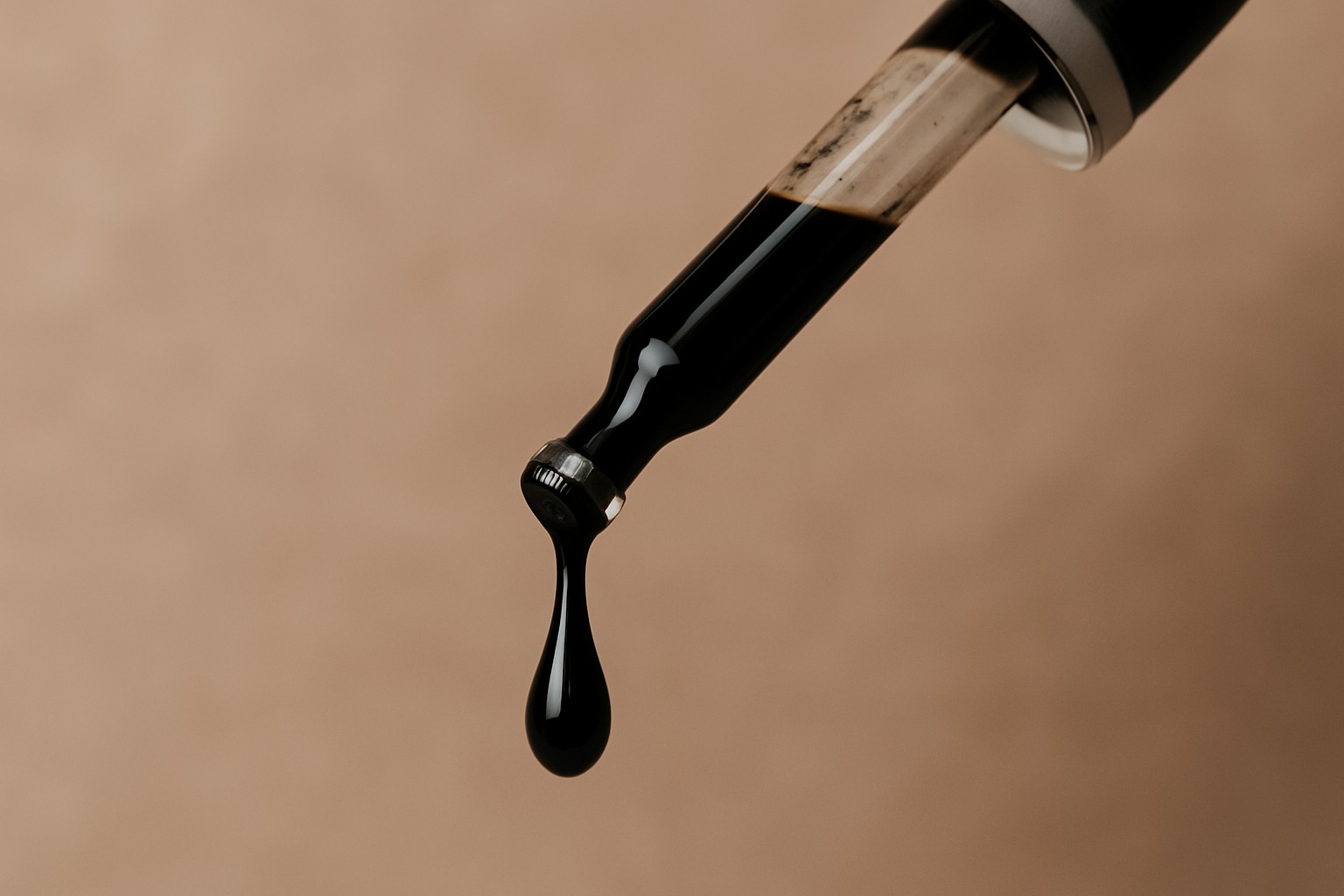
Liquid vs Resin: key differences
| Aspect | Resin | Liquid |
|---|---|---|
| Form | Thick, tar-like substance in a jar. | Dropper-based liquid in a bottle. |
| Typical use | Dissolved in warm water, tea, or milk. | Dropped directly or diluted into a drink. |
| Ingredients | Primarily Shilajit resin (plus any natural variation from source). | Shilajit plus a liquid carrier and possibly preservatives or flavors. |
| Measurement | Pea-sized amount or mg estimate from a scoop/spoon. | Measured by drops or ml according to the label. |
| Storage | Cool, dry place; texture may vary slightly with temperature. | Follow label; some require more care once opened. |
Pros & considerations of liquid Shilajit
- Simple to measure with a dropper if concentration is clearly stated.
- Easy to mix into water or drinks without waiting for resin to dissolve.
- May be more approachable for people who dislike sticky textures.
- Includes a carrier liquid, so volume per serving may be larger.
- Taste depends on both Shilajit and the chosen carrier.
- What is the exact amount of Shilajit per ml or per drop?
- What carrier is used, and does it fit your preferences or sensitivities?
- Has the finished liquid been tested for microbes and stability?
How to take liquid Shilajit
Always follow the instructions on your specific product label and talk to a healthcare professional if you have questions. As a general overview:
- Read the label carefully. Note how many drops or ml equal one serving, and how many servings per day are suggested.
- Shake if directed. Some formulas ask you to gently shake the bottle before use.
- Measure with the dropper. Avoid guessing—use the dropper markings or count drops as suggested.
- Take directly or dilute. Depending on the product, you might place drops directly in the mouth or mix them into water or another suitable drink.
- Store properly. Keep the bottle closed and in the storage conditions recommended on the label.
Choosing between liquid Shilajit and resin
Instead of asking which form is “strongest,” it can be more useful to ask which form you can:
- Use consistently with your schedule.
- Measure clearly in line with label guidance.
- Store properly without worrying about spoilage.
Resin might suit you if…
- You like minimal ingredients and a traditional feel.
- You don’t mind a small preparation step with warm liquid.
- You prefer seeing the natural resin directly.
Liquid might suit you if…
- You prefer dropper-based dosing.
- You like adding a few drops to water or drinks quickly.
- You’re comfortable with a carrier and follow label guidance carefully.
Authoritative Sources & Research Context
Liquid Shilajit is one form available to consumers. Understanding the composition and characteristics of Shilajit helps evaluate different product forms.
Authoritative Sources
-
National Library of Medicine (NLM) – PubMed – A Comprehensive Review on Shilajit: What We Know about Its Chemical Composition.
PubMed – Shilajit Composition -
ScienceDirect – Shilajit-Analytical Study to Understand the Phytocomplex.
ScienceDirect – Shilajit Analysis -
PubMed Central (PMC) – Shilajit: A Natural Phytocomplex with Potential Procognitive Activity.
PMC – Shilajit Phytocomplex -
Examine.com – Shilajit Evidence-Based Review.
Examine.com – Shilajit
This section is for general informational purposes only and is not a substitute for professional medical advice.
FAQs
Is liquid Shilajit stronger than resin?
Is liquid Shilajit more “processed”?
Which is better for beginners: resin or liquid?
Continue Learning About Shilajit
Next steps
Whether you lean toward liquid Shilajit or traditional resin, the most important choices are the same: honest sourcing, clear testing, realistic expectations, and a routine that respects your body and your lifestyle.
Compare price & value How to take ShilajitThese statements have not been evaluated by the FDA. Not intended to diagnose, treat, cure, or prevent any disease. Consult a healthcare professional before use.