
Shilajit For Joint Comfort & Mobility: What Is and Isn’t Known
Many people first hear about Shilajit through phrases like “joint support,” “comfort,” or “mobility.” The reality is more careful: joints are complex, and so are the reasons they can feel stiff, sore, or limited. This guide takes a compliance-first look at how people talk about Shilajit for joint comfort, what traditional sources emphasize, what is and isn’t known, and why medical care and daily habits still matter far more than any single supplement.
Quick Overview: Shilajit & Joint Comfort
Shilajit is a natural mountain resin, not a painkiller and not a replacement for joint-specific medical care. When people use it around “joint comfort,” they’re usually combining:
- Interest in traditional ideas of overall strength and resilience.
- A small daily ritual they associate with caring for their body.
- Other changes like movement, weight management, or therapy.
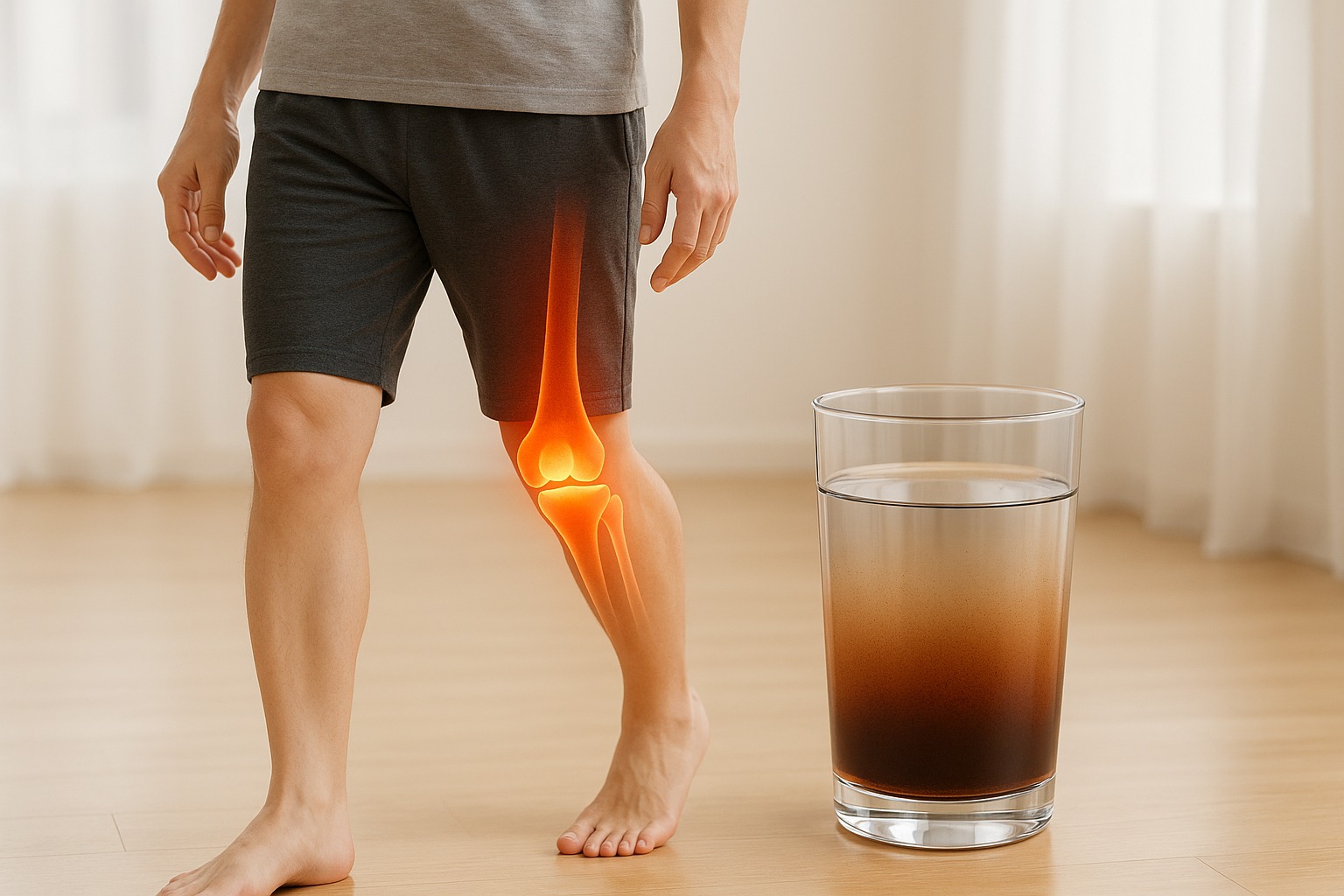
What People Really Mean by “Joint Comfort” & “Mobility”
When people say they want “better joints,” they’re often talking about everyday experiences like:
- Feeling stiff after sitting or waking up.
- Noticing discomfort going up or down stairs.
- Wanting to walk, lift, or exercise more comfortably.
- Worrying about long-term wear-and-tear or aging joints.
These concerns can relate to many factors: weight, activity level, past injuries, posture, footwear, job demands, genetics, and diagnosed joint conditions. No single ingredient can responsibly promise to fix all of that.
A Helpful First Step
- Write down 2–3 specific joint situations that bother you most (e.g., “stairs,” “after workouts,” “morning stiffness”).
- Bring that list to your doctor, physiotherapist, or another joint-focused professional.
- Discuss exercise, weight, footwear, ergonomics, and other treatments before or alongside any supplement.
Shilajit, if used at all, should sit on top of a thoughtful plan—not stand in for it.
Traditional Perspectives on Mobility & Resilience
In traditional systems, Shilajit appears more in discussions about general vitality, strength, and resilience than about specific named joint conditions. Descriptions often emphasize:
- Use in small amounts, often over longer time frames.
- Combination with other herbs, oils, and lifestyle guidance.
- Support for the body as a whole, not a single isolated joint.
Modern marketing sometimes narrows this into “joint support” claims that sound more like drug language. This page keeps the focus on neutral education and avoids disease language or promises.
What Is and Isn’t Known in Modern Terms
Online content sometimes jumps straight from “traditional use” to bold, modern guarantees. A more honest lens looks like this:
What We Can Say in General
- Shilajit is a complex natural substance, typically purified and used in small portions.
- People often stack it with other wellness habits—movement, nutrition, weight management, joint-friendly footwear.
- Subjective experiences vary widely: some notice changes, some notice nothing, others notice side effects.
What We Cannot Responsibly Promise
- That Shilajit will cure arthritis or reverse structural joint damage.
- That it will prevent joint disease or replace medical treatments.
- That it will eliminate pain or stiffness for any specific person.
- That it can tell the difference between “good” and “bad” joint stress in your life.
If you have diagnosed joint disease, recent injury, or unexplained pain, those conditions should be managed with your healthcare team. Shilajit, if considered at all, is optional and secondary.
A Realistic Role for Shilajit in Joint Routines
For people who have cleared it with their clinician, Shilajit might play a small role in a “joint-conscious” lifestyle.
How Some People Use It (Non-Medical)
- As a small, daily ritual that reminds them to move and stretch.
- In modest, label-based portions, not escalating “megadoses.”
- Alongside movement plans from a physiotherapist or trainer.
- In forms they can easily track (e.g., purified resin with clear lab tests).
What It Shouldn’t Replace
- Imaging, diagnosis, and treatment plans for serious joint issues.
- Rehab exercises, strength training, or physical therapy.
- Weight, footwear, and ergonomics changes that your clinician recommends.
- Prescribed medications or procedures without medical approval.
Lifestyle Foundations That Matter More Than Any Supplement
Joints respond strongly to how we live, move, and recover. No supplement can “overrule” the basics.
Key Joint-Supportive Habits (General, Non-Prescriptive)
- Regular gentle movement (e.g., walking, mobility work) instead of long hours of immobility.
- Strength training tailored to your ability, especially around hips, knees, and core.
- Weight management where appropriate and recommended by your clinician.
- Supportive footwear and attention to surface, posture, and work setup.
Where Shilajit Might Fit (If at All)
- As a small ritual stacked next to your stretching or movement time.
- As part of a morning or evening routine that keeps you mindful of joint care.
- As one of several tools you periodically review with your clinician.
Who Should Be Cautious or Avoid Shilajit for Joint Concerns
Because joint issues can signal important underlying conditions, it’s especially important not to self-treat with supplements alone.
Situations Where Medical Care Comes First
- Sudden joint swelling, redness, heat, or severe pain.
- Joint deformity, locking, or inability to bear weight.
- History of autoimmune joint disease or gout.
- Use of blood thinners, immunosuppressants, or strong pain medications.
- Pregnancy, trying to conceive, or breastfeeding.
Better Starting Points Here
- Prompt check-in with your doctor or relevant specialist (e.g., rheumatologist, orthopedist).
- Appropriate imaging or lab work if recommended.
- Structured rehab and exercise under professional guidance.
- Only considering Shilajit after your clinicians are aware of it and have weighed in.
Product, Form & Label Tips for Joint-Focused Shoppers
Many Shilajit products are bundled into “joint support” formulas. The label can reveal a lot about how carefully a brand is operating.
| Label Pattern | Why It Matters |
|---|---|
| Simple, clear ingredient list | Products that highlight purified Shilajit (for example, resin) with transparent lab testing can be easier to evaluate than large, complex blends. |
| Aggressive joint-disease claims | Phrases that claim to treat, cure, or reverse arthritis or named diseases are regulatory red flags and may signal poor overall quality control. |
| “Proprietary joint blend” with vague amounts | It’s hard to know how much Shilajit you’re actually getting or how the other ingredients interact, especially if you already take joint medications. |
| Batch-specific COAs for heavy metals & microbes | Joints are long-term; so is exposure. Cleanliness and testing matter, particularly for products you might use daily over time. |
Authoritative Sources & Research Context
Traditional uses of Shilajit include support for bone and joint health. Modern research has investigated its potential anti-inflammatory properties and effects on connective tissue.
Authoritative Sources
-
National Library of Medicine (NLM) – PubMed – Shilajit extract reduces oxidative stress, inflammation, and bone loss.
PubMed – Shilajit Inflammation Study -
PubMed Central (PMC) – Correlation between Antioxidant and Anti-Osteoporotic Activities of Shilajit.
PMC – Shilajit Anti-Osteoporotic -
ScienceDirect – Shilajit extract reduces bone loss in postmenopausal women with osteopenia.
ScienceDirect – Shilajit Bone Health -
National Library of Medicine (NLM) – PubMed – Effects of Shilajit on Serum Pro-c1a1 (Collagen synthesis).
PubMed – Shilajit Collagen -
Wiley Phytotherapy Research – Safety and Efficacy of Shilajit (Mumie, Moomiyo).
Phytotherapy Research – Shilajit Safety
This section is for general informational purposes only and is not a substitute for professional medical advice.
Safety, Dosage & Side-Effect Reminders
Joint health is a long game. If you layer Shilajit into that story at all, it should be done slowly and thoughtfully.
Use & Dosage Basics
- Follow the serving guidance on your specific product’s label.
- Start at the lower end of the suggested range, unless your clinician advises otherwise.
- Introduce Shilajit as the only new supplement when possible so you can notice any changes.
- Give your clinician a full list of all supplements and joint-related products you’re using.
Side Effects & Red Flags
- New digestive upset, headaches, or feeling “off” after starting Shilajit.
- Noticeable changes in sleep, mood, or energy that concern you.
- Worsening joint pain, swelling, or decreased mobility.
- Any severe symptoms such as chest pain, breathing difficulty, significant swelling, or yellowing of skin or eyes.
This page is for educational purposes only and is not intended to diagnose, treat, cure, or prevent any disease. These statements have not been evaluated by the FDA. Always consult a qualified healthcare professional before using any supplement or changing your health routine, especially for joint pain, injury, or diagnosed conditions.
FAQs: Shilajit for Joint Comfort & Mobility
Can Shilajit cure arthritis?
Is Shilajit good for knee pain or back pain?
Can older adults use Shilajit for mobility?
Is topical Shilajit on joints better than taking it by mouth?
Can I use Shilajit alongside my joint medications?
How long should I try Shilajit before deciding if it’s worth it for my joints?
Continue Learning About Shilajit
Let Joint Decisions Be Guided by Care, Not Hype
Joints carry you through every day of your life. If you explore Shilajit at all, let it be a small, optional piece of a plan led by professionals who understand your history, imaging, and goals. Structure your movement, rest, and medical care first—then decide whether a carefully chosen, lab-tested Shilajit product deserves a place at the table.
Explore Purified, Lab-Tested Shilajit ResinThis page is for educational purposes only and is not intended to diagnose, treat, cure, or prevent any disease. These statements have not been evaluated by the FDA. Always consult a qualified healthcare professional before using any supplement or changing your health routine, especially when joints, pain, or mobility are involved.
About This Joint Comfort Guide
Herbs Mill Editorial Team
The Herbs Mill team focuses on clear, compliance-first education about traditional resins like Shilajit. Our goal is to help you place supplements in the right context—behind medical care, movement, and daily habits—not in front of them, especially when it comes to something as important as your joints and mobility.