
Shilajit for Skin: Traditional Topical Use & Modern Myths
“Shilajit for skin” shows up on labels, in reels, and across beauty blogs. Some people hear promises of glowing skin, perfect complexions, or miracle repair. Real skin is more complicated. This guide covers how Shilajit has been used around skin traditionally, how modern brands frame it, and what is and isn’t realistic, all in a compliance-first, non-medical way.
Quick Overview: Shilajit & Skin in Plain Language
Shilajit is a concentrated mountain-derived resin. In some traditional contexts, it has been used in small amounts on the skin or in blends. Today, you’ll also see it in serums, masks, and creams. The key points:
- Shilajit is not a magic fix for skin conditions.
- It should not replace dermatologist care or prescribed treatments.
- Quality, dilution, patch-testing, and skin type matter a lot.
- Many modern promises go far beyond what’s reasonable.
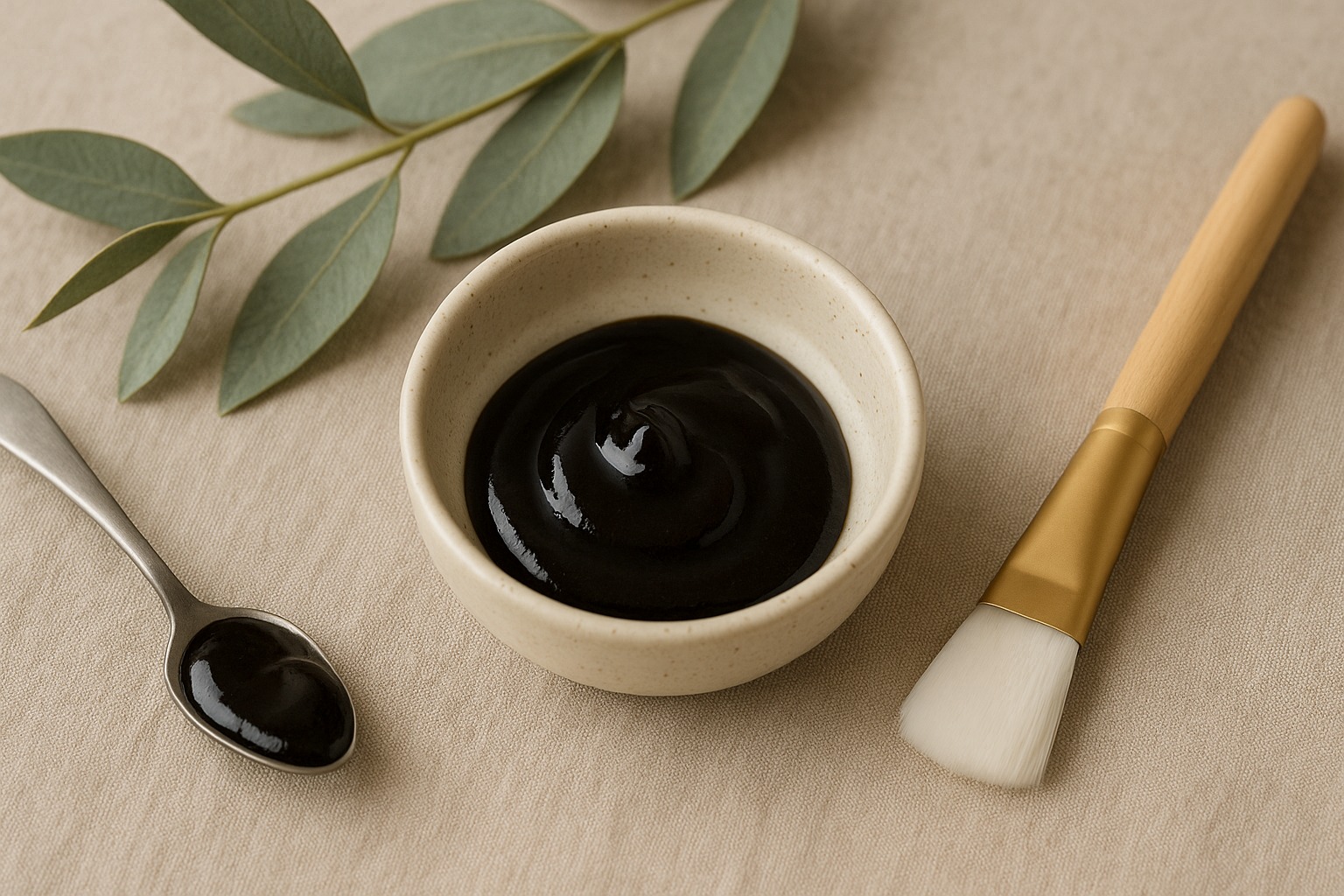
What People Actually Mean by “Shilajit for Skin”
When people say they want to use Shilajit “for skin,” they often have a mix of goals, like:
- Wanting their skin to look more even, bright, or “fresh.”
- Curiosity about “natural” or “ancient” beauty rituals.
- Hoping for support with visible signs of stress, aging, or dryness.
- Looking for alternatives to very aggressive routines.
These goals touch on biology, genetics, hormones, environment, sun exposure, and medical conditions—not just one ingredient.
Helpful Questions Before You Start
- “What exactly am I hoping will change about my skin?”
- “Is this a cosmetic goal, or is there a medical skin concern here?”
- “Have I asked a dermatologist or skin professional for guidance yet?”
If what you’re worried about feels like a skin disease, a doctor’s office—not a jar—should come first.
Traditional External / Topical Use: A Gentle Overview
In some traditional contexts, Shilajit has been:
- Blended with oils, ghee, or other substances.
- Used in very small amounts on limited areas, not as a full-face mask.
- Framed as part of broader whole-body routines, not a stand-alone beauty treatment.
Historical references are often poetic or broad, not detailed instruction manuals. Modern interpretations can sometimes stretch or over-simplify what those texts actually describe.
Modern Products: Serums, Masks & “Glow” Claims
Today, you’ll find Shilajit in:
- Face masks and wash-off treatments.
- Serums and creams marketed as “mineral rich” or “ancient glow.”
- DIY recipes circulating on social media.
Potential Pros (If Well-Formulated)
- Interesting addition to a formula with clear safety testing.
- Can be positioned as a story ingredient in a balanced product.
- Might encourage gentler, more ritual-based routines.
Things to Be Careful About
- Very strong promises about curing skin diseases.
- Products with no clear testing for heavy metals or microbes.
- DIY recipes using undiluted, raw, or untested Shilajit directly on the face.
- Over-exfoliating or mixing with harsh actives at home.
Skin is your body’s barrier. Putting anything on it—especially something concentrated—deserves caution and professional input.
A Realistic Role for Shilajit in Skincare
For some people, a Shilajit-based product fits into a wider routine as an optional, interesting step—not the main hero.
How It Might Fit (Non-Medical)
- As an occasional mask or treatment in a simple routine.
- As part of a formula paired with hydrating or barrier-supportive ingredients.
- In small amounts on limited areas, after patch-testing and professional guidance.
What It Shouldn’t Do
- Replace sunscreen, moisturizer, or dermatologist-prescribed products.
- Act as your only plan for serious or painful skin conditions.
- Encourage daily, aggressive DIY peels or scrubs.
How Some People Apply It (Non-Prescriptive, For Illustration Only)
The following is a generic, educational outline of how a person might carefully work with Shilajit on the skin under professional guidance. It is not a recommendation or medical advice.
Example: Occasional Mask Style Use
- Start with a test patch: Dilute a tiny amount of Shilajit in a neutral base (like plain aloe gel or a simple cream), then apply to a small area such as the inner forearm. Wait 24–48 hours.
- If no reaction: Consider using a similar diluted mixture on a small area of the face for a short time, such as 5–10 minutes.
- Rinse thoroughly: Use lukewarm water and a gentle cleanser if needed.
- Observe: Watch for redness, burning, itching, or delayed reactions over the next 24 hours.
- Limit frequency: Avoid daily use unless a skin professional specifically suggests it.
Rules That Help Protect Your Skin
- Do not apply Shilajit (raw or purified) directly to broken, irritated, or infected skin.
- Do not combine DIY Shilajit masks with strong acids, retinoids, or other active treatments without professional input.
- Stop immediately and rinse thoroughly if burning or intense discomfort starts.
- Speak with a dermatologist before using Shilajit on your face if you have sensitive skin or any diagnosed skin condition.
This section is for educational purposes only and is not a treatment protocol. Always consult a dermatologist or qualified skincare professional before introducing new topical ingredients, especially on the face.
Safety, Patch-Testing & Who Should Avoid Topical Shilajit
Because Shilajit is concentrated and naturally variable, extra care is important when using it on the skin.
Basic Safety Steps
- Use only purified, tested Shilajit from reputable sources.
- Patch-test any new product or DIY mixture on a small area first.
- Follow product directions carefully; do not exceed recommended contact time or frequency.
- Keep Shilajit products away from eyes, mucous membranes, and broken skin.
People Who Should Be Extra Cautious or Avoid It
- Those with a history of contact dermatitis or strong reactions to skincare products.
- People with active skin diseases (e.g., serious rashes, chronic inflammatory conditions) unless cleared by a dermatologist.
- Anyone with very sensitive or reactive skin types.
- Pregnant or breastfeeding individuals, unless a healthcare professional specifically approves.
This page is for educational purposes only and is not intended to diagnose, treat, cure, or prevent any disease. These statements have not been evaluated by the FDA. For any persistent or serious skin issues, consult a dermatologist or other qualified healthcare professional.
How to Read “Shilajit for Skin” Product Labels
Labels can reveal whether a brand is being thoughtful or just chasing a trend.
| Label Pattern | Why It Matters |
|---|---|
| Clear ingredient list with percentages | Helps you see how Shilajit fits into the overall formula and spot potentially irritating combinations. |
| Wild cure-all skin claims | Phrases that sound like drug claims (curing diseases) are regulatory red flags and may signal weak oversight. |
| No mention of testing or safety | Skin-contact products should be tested for irritation and contaminants; the absence of any safety info is concerning. |
| Batch-specific lab reports and cautious language | Suggests the brand is thinking about safety, compliance, and realistic expectations instead of hype. |
Authoritative Sources & Research Context
Traditional Ayurvedic use includes Shilajit for skin health and rejuvenation. Modern research has investigated its antioxidant properties and effects on skin transcriptome in women.
Authoritative Sources
-
PubMed Central (PMC) – Skin Transcriptome of Middle-Aged Women Supplemented with Shilajit.
PMC – Shilajit Skin Transcriptome -
PubMed Central (PMC) – Correlation between Antioxidant Activities of Shilajit.
PMC – Shilajit Antioxidant Study -
National Library of Medicine (NLM) – PubMed – Effects of Shilajit on Serum Pro-c1a1 (Collagen synthesis).
PubMed – Shilajit Collagen
This section is for general informational purposes only and is not a substitute for professional medical advice.
FAQs: Shilajit for Skin
Can Shilajit cure acne, eczema, or other skin diseases?
Is it safe to put pure Shilajit resin directly on my face?
Can Shilajit make my skin “glow” or look younger?
Can I use Shilajit in my own DIY face masks?
Is Shilajit better to take orally or use on the skin?
What should I do if my skin reacts badly to a Shilajit product?
Continue Learning About Shilajit
Let Skin Decisions Be Guided by Care, Not Hype
If you experiment with Shilajit for skin, let it be one small, optional detail in a routine built on sunscreen, gentle cleansing, moisturizing, and professional guidance where needed. Your skin deserves patience, realistic expectations, and products that respect both tradition and modern safety standards.
Explore Purified, Lab-Tested Shilajit ResinThis page is for educational purposes only and is not intended to diagnose, treat, cure, or prevent any disease. These statements have not been evaluated by the FDA. Always consult a qualified healthcare professional, especially a dermatologist, before using new skincare ingredients or changing your routine.
About This Skin-Focused Guide
Herbs Mill Editorial Team
The Herbs Mill team focuses on clear, compliance-first education about traditional resins like Shilajit. Rather than promising perfect skin, we aim to help you understand where Shilajit realistically fits—if at all—inside routines that respect your skin barrier, your health history, and modern dermatology.