
Shilajit Resin: What It Is, How It Looks & How People Use It
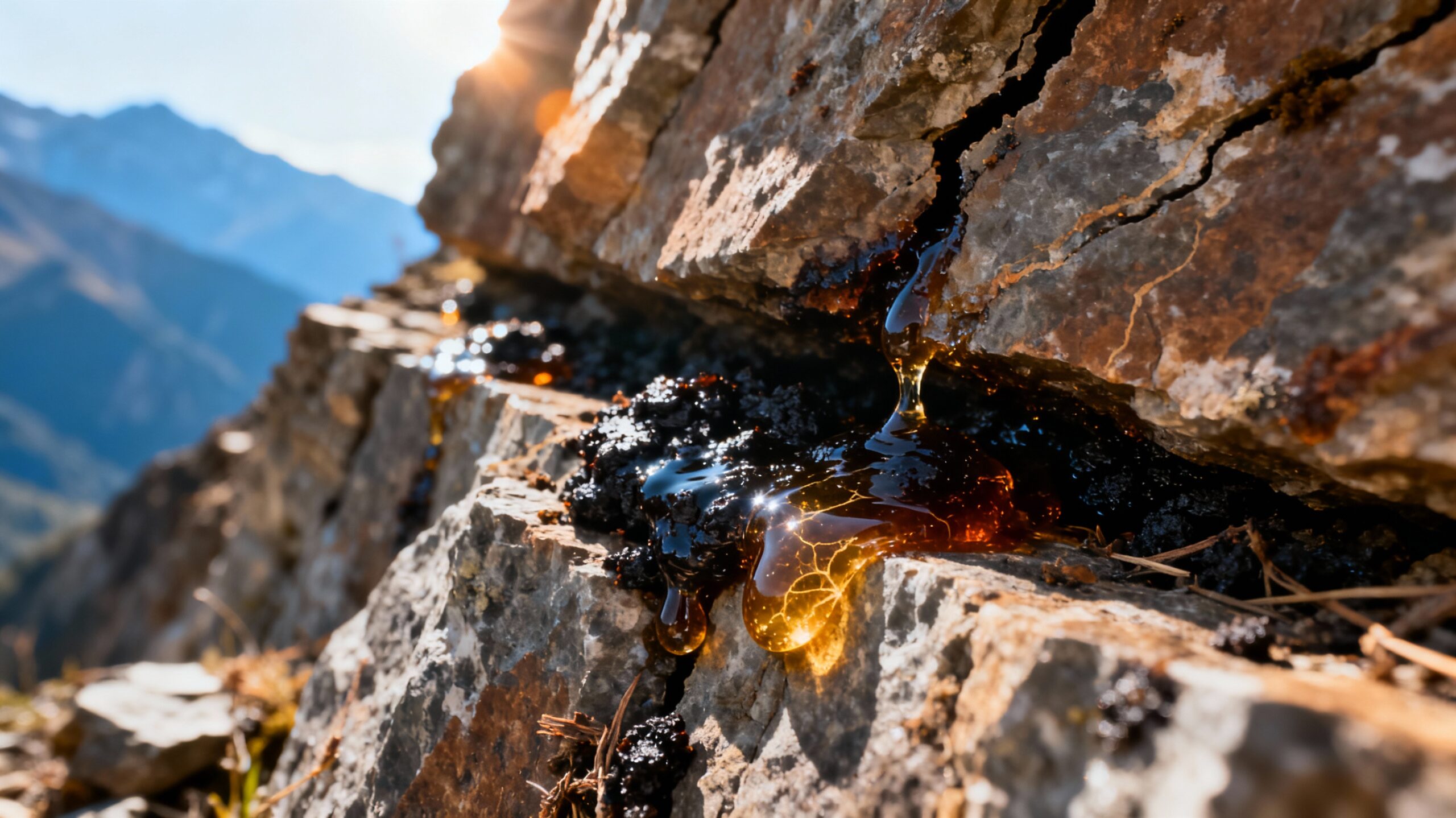
“Shilajit resin” usually refers to the most traditional, minimally processed form of Shilajit: a smooth, dark substance that softens with warmth and dissolves in hot liquid. This guide explains what makes resin different from powders and capsules, how authentic Shilajit resin behaves, and what people commonly look for when they want a purified, high-quality product—without making medical promises.
Quick Summary: Shilajit Resin in One View
Shilajit resin is a purified, concentrated form of natural mountain resin that has been gently processed to remove grit and debris. Compared to heavily processed powders or gummies, resin stays closer to how Shilajit appears in nature. People who choose resin typically want a simple ingredient list, visual cues of authenticity, and control over how much they use.
- Purified resin is the closest form to natural Shilajit
- Has a thick, sticky consistency and dark brown–black color
- Used in very small amounts, often dissolved in a warm drink
- Quality depends on sourcing, purification, and testing
What Exactly Is Shilajit Resin?
Shilajit resin is the result of taking raw mountain Shilajit, purifying it, and concentrating it into a smooth, semi-solid form. Unlike blended powders or gummies, resin is usually just Shilajit and nothing else.
Many people consider resin the “most traditional” way to use Shilajit because it closely matches what is collected from rock surfaces—just without the grit and debris.
For the long version of how Shilajit forms before it becomes resin, see How Shilajit Is Made.
Resin vs Powders, Capsules & Gummies
All Shilajit forms ultimately trace back to natural resin, but they go through very different processing steps. Understanding the trade-offs helps you choose a format that fits your preferences.
| Form | What it usually means |
|---|---|
| Resin | Minimally processed after purification; single-ingredient; you can see, smell, and feel the product; typically used in pea-sized portions dissolved in warm liquid. |
| Powder | Resin that has been dried further and ground, sometimes blended with carriers; can be easier to mix into smoothies, but you lose some direct visual cues of authenticity. |
| Capsules | Powder placed in a shell; convenient and taste-free, but you may see additional fillers, and it is harder to inspect the raw material. |
| Gummies | Highly processed format with sweeteners, gelling agents, and flavors; convenient but farthest from traditional resin and usually not just Shilajit alone. |
There is no single “best” form for everyone, but if you want a product that stays closest to the traditional experience, purified Shilajit resin is often the starting point.
How Authentic Shilajit Resin Looks & Behaves
Because there are many imitations on the market, it helps to know the basic visual and physical cues people expect from genuine Shilajit resin.
Typical appearance
- Dark brown to almost black color
- Subtle shine or gloss on the surface when soft
- Thick and sticky at room temperature
- Firmer when cold, softer when warm
How it behaves
- Softens quickly when warmed between your fingers
- Dissolves in warm water or milk without gritty chunks
- Gives the liquid a deep brown color
- Has an earthy, resinous, slightly smoky aroma
Products that behave nothing like this—such as extremely hard lumps that don’t soften, neon colors, or strong chemical smells—warrant extra caution and research.
For a full checklist, visit How to Identify Pure Shilajit.
How Shilajit Resin Is Made & Purified
Shilajit resin is not simply scraped from rocks and placed into jars. Raw Shilajit must first be cleaned and refined before it becomes the familiar, smooth resin people use.
- Collection: Raw Shilajit is gathered from high-altitude rock faces during warm seasons.
- Dissolving in water: The raw material is gently dissolved so heavy grit and stones can separate.
- Filtering & settling: The mixture is filtered and allowed to settle to remove solid impurities.
- Low-heat concentration: Water is evaporated at controlled temperatures, concentrating the natural resin.
- Texture refinement: The thickened resin is gently stirred or folded until it has a smooth, spreadable consistency.
- Testing & packaging: Many producers conduct lab tests for purity and contaminants before sealing the resin in jars.
These steps are designed to preserve Shilajit’s natural character while reducing debris and aligning with modern expectations for cleanliness.
For a deeper step-by-step, see How Shilajit Is Made.
How People Typically Use Shilajit Resin
This section is for educational, non-medical guidance on common usage patterns. Always follow product instructions and consult a healthcare professional if you have questions.
Common routine
- Scoop a very small amount (often pea-sized or less)
- Dissolve in a warm drink (water, milk, herbal tea)
- Stir until fully dispersed
- Use once daily or as directed on the label
Usage considerations
- Start with the lower end of the suggested serving range
- Pay attention to how your body responds over time
- Avoid combining multiple new supplements at once
- Discuss use with a healthcare professional, especially if you take medication or have health conditions
For a more detailed how-to, including timing and serving examples, see How to Take Shilajit.
How to Store & Handle Shilajit Resin
Shilajit resin is sensitive to heat and moisture. Good storage habits help preserve its texture and quality.
Simple storage tips
- Keep the jar tightly closed when not in use
- Store in a cool, dry place away from direct sunlight
- Use a clean, dry spoon or scoop each time
- Wipe the rim if resin accumulates around the edge
What to expect over time
- Resin may become firmer in cold weather and softer in heat
- Color can deepen slightly as it ages
- Minor texture changes are normal if storage is reasonable
Extreme heat, direct sun, or frequent contact with moisture can affect the resin’s feel, so gentle handling is best.
Quality Checks When Choosing Shilajit Resin
A short checklist can help you evaluate Shilajit resin products in a practical, non-branded way.
Positive signs
- Brand explains sourcing region (e.g., Himalayan)
- Purification method is described clearly
- Third-party lab tests are available or summarized
- Resin dissolves cleanly without visible grit
- Label language avoids disease and hormone claims
Caution flags
- No mention of where the Shilajit comes from
- No details on purification or testing
- Extremely low prices vs typical resin market
- Bright artificial colors or intense chemical smell
- Marketing that promises cures or guaranteed results
These are general education points, not rules. They simply encourage a thoughtful, evidence-aware approach to choosing a resin product.
Safety Basics & Who Should Be Extra Cautious
Even though Shilajit is a traditional wellness substance, it still may not be suitable for everyone. Safety conversations should always involve a qualified healthcare professional.
- People with existing kidney, liver, or serious health conditions
- Those who are pregnant, breastfeeding, or trying to conceive
- Anyone taking prescription medications
- Individuals with a history of supplement sensitivities
For a deeper look at precautions and possible side effects, see Shilajit Side Effects & Safety.
Authoritative Sources & Research Context
Shilajit resin is the traditional form of this mineral-rich substance. Understanding its composition, appearance, and traditional usage provides important context for consumers.
Authoritative Sources
-
National Library of Medicine (NLM) – PubMed – A Comprehensive Review on Shilajit: What We Know about Its Chemical Composition.
PubMed – Shilajit Composition -
National Library of Medicine (NLM) – PubMed – Shilajit: a review.
PubMed – Shilajit Review -
ACS Omega – Chemical Analysis of Native Himalayan Shilajit.
ACS Omega – Shilajit Chemistry -
ScienceDirect – Shilajit-Analytical Study to Understand the Phytocomplex.
ScienceDirect – Shilajit Analysis -
PubMed Central (PMC) – Shilajit: A Natural Phytocomplex with Potential Procognitive Activity.
PMC – Shilajit Phytocomplex -
Examine.com – Shilajit Evidence-Based Review.
Examine.com – Shilajit
This section is for general informational purposes only and is not a substitute for professional medical advice.
FAQs: Shilajit Resin
Is Shilajit resin better than capsules or powder?
How much Shilajit resin should I take?
What should Shilajit resin taste like?
My resin got very hard in the cold. Is it ruined?
Can I take Shilajit resin on an empty stomach?
Is Shilajit resin safe to use long term?
Continue Learning About Shilajit
Choosing a Resin That Fits Your Routine
Shilajit resin is for people who prefer a traditional, single-ingredient format and are comfortable measuring small portions themselves. If that matches your style, focus on purified, transparently sourced resin and pair it with healthy habits—not hype—to get the most from your routine.
Explore Purified Shilajit ResinThese statements have not been evaluated by the FDA. This page is for educational purposes only and is not intended to diagnose, treat, cure, or prevent any disease. Always consult a healthcare professional before using any supplement.
About This Guide
Herbs Mill Research & Education Team
Herbs Mill focuses on clear, compliance-first education about Shilajit and other traditional resins. Our goal is to explain formats like resin, powder, and capsules in simple language so you can discuss options confidently with a healthcare professional.