
Other Shilajit Spellings and Regional Names
If you’ve seen “Shilajit,” “Silajit,” “Shelajit,” “Salajeet,” and more, you’re not alone. This guide collects common spellings and regional names in one place, so you can recognize when people are talking about the same traditional substance.
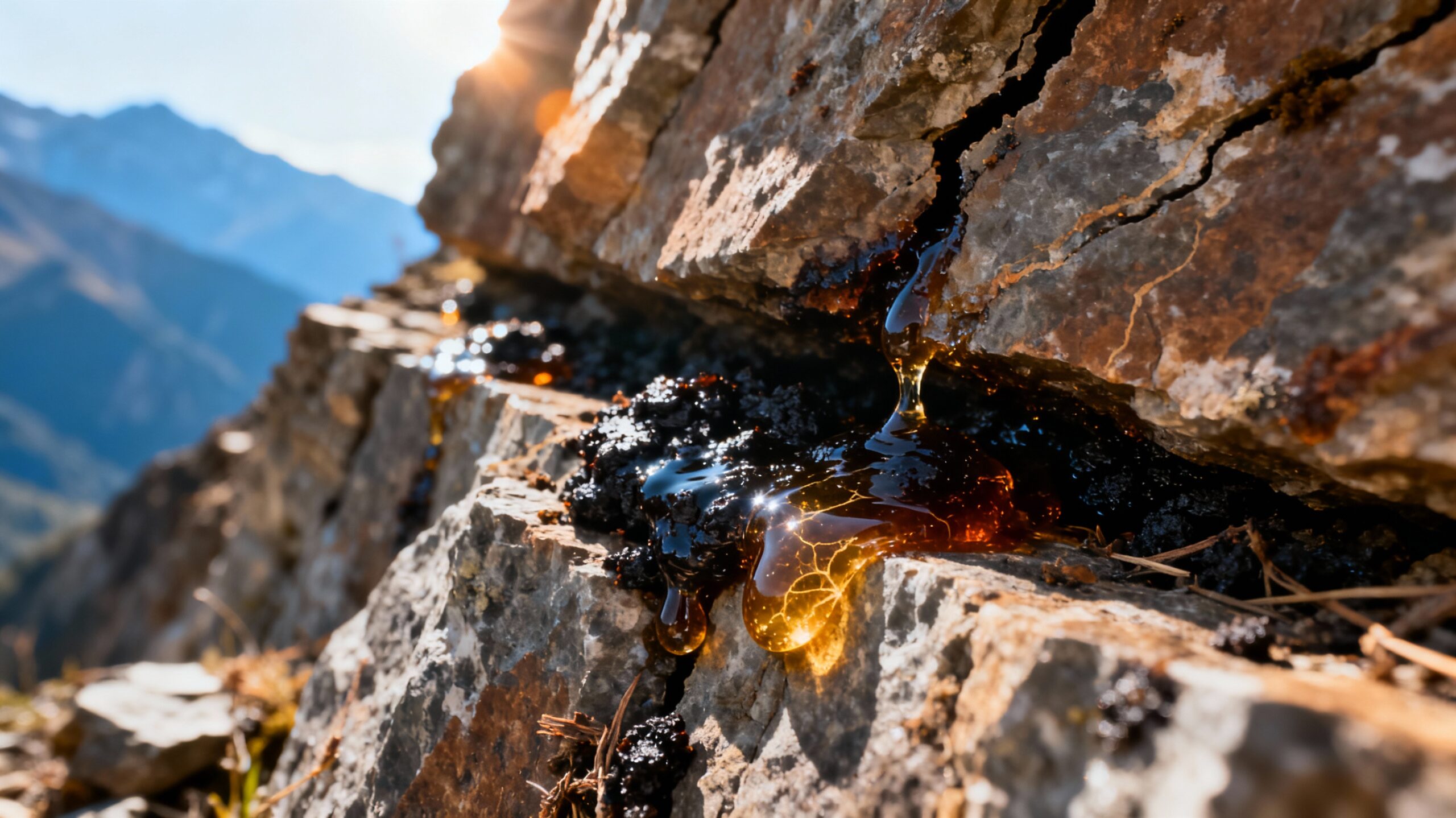
Why are there so many ways to write “Shilajit”?
The word “Shilajit” comes from classical Indian languages. When words move between scripts—like Devanagari, Arabic, or Latin—the sounds get approximated with different letters. That’s how “Shilajit” becomes “Salajeet,” “Silajit,” or “Shelajit” in different regions and search results.
- Different scripts and phonetic systems lead to different spellings.
- Regional pronunciation influences how people write the word.
- Online content often mixes spellings to match how people search.
Common English spellings & variants
Here are some of the spellings you might encounter in English-language content, labels, and ads:
| Spelling | Context | Notes |
|---|---|---|
| Shilajit | Most standard modern spelling. | Common in articles, supplement labels, and education pieces. |
| Silajit / Chilajit / Shilijit | Phonetic and typo variations. | Often appear when “h” is dropped or sounds are typed as heard. |
| Shelajit / Selajit | Accent and pronunciation-based variants. | Reflect how some speakers pronounce “Shi” more like “She.” |
| Salajeet / Salajit | Common in some South Asian online content. | Frequently seen in Urdu/Hindi-influenced contexts. |
Regional names & language influences
Beyond English, Shilajit appears in a range of languages and scripts. The core idea stays similar, but the spelling adjusts to local sounds and writing systems.
| Region / Language | Common spellings / names | Notes |
|---|---|---|
| India (various languages) | Shilajit, Shilajeet, Silajit, Salajit | Multiple scripts and accents lead to several Latin-letter versions. |
| Pakistan / Urdu-influenced contexts | Salajeet, Salajit | Often written this way in Urdu-English marketing and local shops. |
| Spanish-language content | Shilajit | Spelling usually stays the same, as in “Qué es el Shilajit”. |
| General global marketing | Mixed: Shilajit, Shelajit, Salajeet | Some brands use multiple spellings to match search terms. |
Search behavior & SEO spellings (for curious readers)
If you search for Shilajit online, you’ll see brands and blogs using several spellings in one page or across different pages. This is often done to match how different people type the word into search engines.
- People might search for “Shilajit” and “Salajeet” in the same country.
- Some content creators write “Silajit (also known as Shilajit)” to cover both spellings.
- Spanish pages keep the spelling “Shilajit” but translate the rest of the sentence.
How to avoid confusion when buying Shilajit
Spelling is only one piece of the picture. To feel more confident in your choice, you can use a simple checklist whenever you encounter a new spelling or brand:
- Confirm what is being sold. Is it actually Shilajit resin or extract, or is the name being used loosely?
- Check for a batch-specific COA. Look for heavy metal and microbial testing connected to the lot number.
- Look for a clear origin story. Vague phrases like “inspired by Himalayan minerals” are not enough.
- Scan the language for realism. Avoid pages promising to cure specific diseases.
- Notice how questions are answered. Brands that educate calmly about Shilajit, spellings, and testing are usually easier to trust.
Authoritative Sources & Research Context
Choosing a quality Shilajit brand requires understanding what makes authentic, pure Shilajit. Scientific research provides markers for evaluating product quality.
Authoritative Sources
-
National Library of Medicine (NLM) – PubMed – A Comprehensive Review on Shilajit: What We Know about Its Chemical Composition.
PubMed – Shilajit Composition -
PubMed Central (PMC) – Evaluation of safety profile of black shilajit after 91 days.
PMC – Shilajit Safety -
ACS Omega – Chemical Analysis of Native Himalayan Shilajit.
ACS Omega – Shilajit Chemistry -
Journal of Population Therapeutics & Clinical Pharmacology – Systematic Review: Clinical Efficacy and Safety.
JPTCP – Shilajit Review -
Examine.com – Shilajit Evidence-Based Review.
Examine.com – Shilajit
This section is for general informational purposes only and is not a substitute for professional medical advice.
Continue Learning About Shilajit
FAQs
Are “Shilajit,” “Salajeet,” and “Shelajit” all the same thing?
Which spelling should I trust the most?
Why do some brands mix several spellings on one website?
Next steps
Once you understand that “Shilajit,” “Salajeet,” and “Shelajit” usually refer to the same idea, you can relax about spelling and focus on what matters more: origin, testing, honest education, and whether a product fits your life with professional guidance.
Shop Pure Himalayan ShilajitThese statements have not been evaluated by the FDA. Not intended to diagnose, treat, cure, or prevent any disease. Consult a healthcare professional before use.