
Shilajit vs Himalayan Salt: Differences, Purity & How to Choose
Shilajit and Himalayan salt are often mentioned in the same breath because both come from mountains and contain minerals. But in reality, they are completely different substances with different roles. This page calmly compares Shilajit resin and pink Himalayan salt so you can see how they differ in origin, formation, composition, taste, and everyday use—without medical claims or hype.
Quick Comparison — Shilajit vs Himalayan Salt
At a glance, Shilajit is a natural mountain resin, while Himalayan salt is a mineral rock salt. They share a mountain connection but play very different roles in everyday life.
| Feature | Shilajit (Resin) | Himalayan Salt (Pink Salt) |
|---|---|---|
| Origin | Resin exudate from high-altitude mountain rocks | Mineral rock salt from ancient seabeds |
| Formation | Compressed plant material + minerals over centuries | Evaporated ancient seas → crystallized salt deposits |
| Texture | Soft resin when warm, hard when cold | Dry, crystalline granules or large chunks |
| Typical use | Tiny pea-sized portions in warm drinks as a ritual | Seasoning food, hydration mixes, baths |
| Form | Resin (traditional), powders, capsules | Fine or coarse crystals, lamps, bath salts |
| Additives | None in pure resin | Usually none; blends may add herbs or flavors |

What Is Shilajit? (Short & Clear)
Shilajit is a natural, mineral-rich resin that forms in high-altitude mountains. Layers of ancient plant material and organic matter become trapped in rock, slowly transform under pressure and heat, and eventually emerge as a dark, sticky substance.
- Sticky when warm, firm when cooled
- Dark brown to almost black in color
- Dissolves smoothly in warm liquids when purified
- Used in very small amounts, often as part of a morning or evening ritual
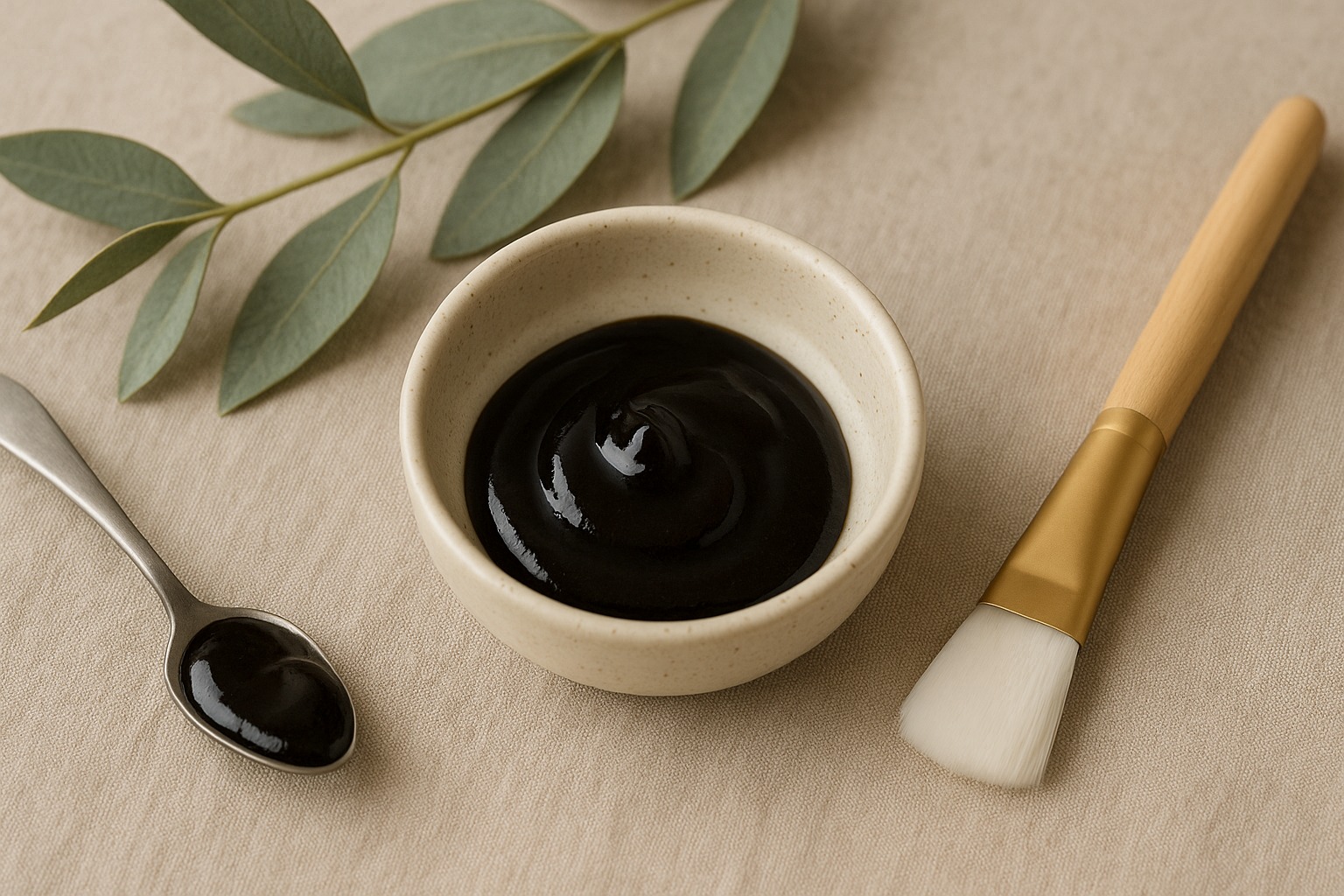
In traditional contexts, Shilajit is treated as a rare mountain substance, not a kitchen ingredient or seasoning.
What Is Himalayan Salt?
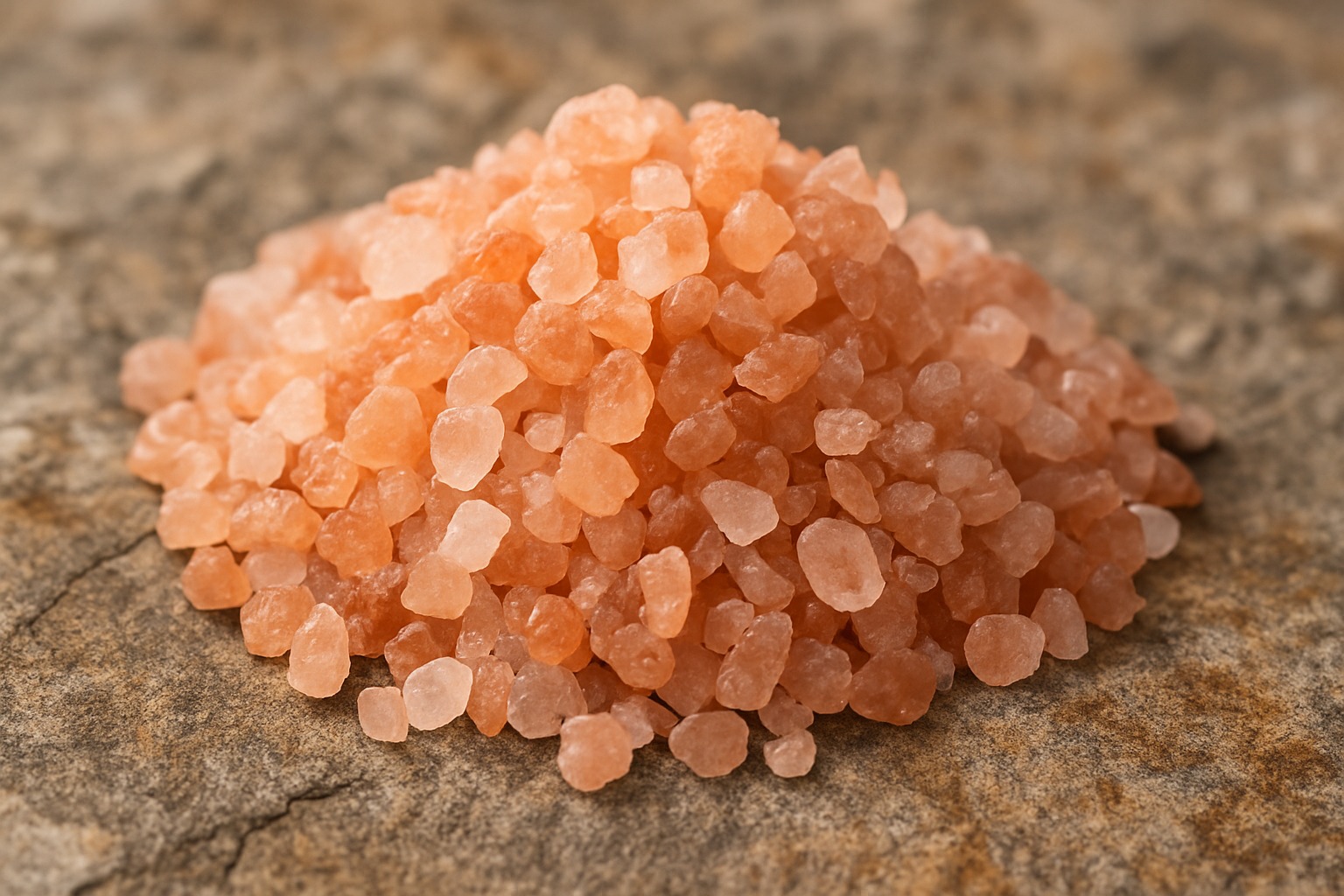
Himalayan salt is a type of mineral rock salt mined from ancient seabeds, primarily in the Himalayan region of Pakistan. Over long periods of time, water evaporated, leaving behind crystallized mineral deposits.
It is usually:
- Pink, red, or whitish in color (due to trace minerals)
- Sold as coarse chunks, fine grains, or salt lamps
- Used in cooking, seasoning, bath soaks, and decorative products
How They Form: Resin vs Rock Salt
How Shilajit Forms
- Plant and organic material becomes trapped in mountain rock layers
- Heat, pressure, and time gradually break it down
- The material mixes with minerals from surrounding rock
- A thick, resin-like mass develops inside the rock
- During warmer seasons, the resin slowly seeps out through cracks
Shilajit is therefore an organic–mineral resin.
How Himalayan Salt Forms
- Ancient seas and saltwater bodies slowly evaporate
- Minerals, mainly sodium chloride, are left behind
- Over time, these sediment layers crystallize under pressure
- Large salt deposits form deep underground
- Salt is later mined, crushed, and cleaned for use
Himalayan salt is therefore a crystalline mineral salt, not a resin.
Taste & Experience: Two Different Rituals
Shilajit Resin
- Flavor: earthy, smoky, slightly bitter
- Aroma: strong, resinous
- Commonly dissolved in warm water, tea, or milk
- Often feels like a deliberate “ritual” time in the day
Himalayan Salt
- Flavor: salty, sometimes slightly mineral
- Texture: crunchy crystals when used as a topping
- Used in cooking, seasoning, hydration mixes, and baths
- Feels more like an everyday kitchen staple than a ritual
The sensory profile of each is completely different—one is a concentrated resin in tiny portions, the other is a familiar salt used in larger amounts.
Composition Differences: Resin vs Salt
Shilajit (Resin)
- Natural resin formed from plant-derived organic matter
- Contains humic and fulvic components in varying amounts
- Includes trace minerals from surrounding rock
- Soft, tar-like consistency when warm
Himalayan Salt (Pink Salt)
- Primarily sodium chloride (salt)
- Contains small amounts of trace minerals (e.g., iron, magnesium)
- Hard, crystalline structure
- Dry and solid at room temperature
Their mineral makeup and structure are not comparable—one is an organic–mineral complex, the other a crystalline salt.
How People Actually Use Them
Shilajit Is Commonly Used For:
- Warm drink rituals in the morning or evening
- Small, measured portions as part of a routine
- Traditional wellness-focused habits
- Single-ingredient resin–based routines
Himalayan Salt Is Commonly Used For:
- Cooking and everyday seasoning
- Salt–water hydration recipes
- Bath soaks and salt scrubs
- Salt lamps and decorative uses
- Food preservation in some settings
Their day-to-day uses have almost zero overlap: one is primarily an ingredient in small wellness rituals; the other is a culinary and household mineral.
Purity & Quality: What to Watch For
Shilajit Purity Risks
- Asphalt or tar–like fakes
- Over-processed extracts instead of true resin
- Burnt sugar mixtures or syrups
- Powders with fillers and additives
- Possible heavy metals in poorly tested products
Safer approach: choose purified resin with transparent lab testing (COA) and clear sourcing information.
Himalayan Salt Purity Risks
- Dyed or artificially colored salt sold as “Himalayan”
- Low-grade rock salt from non-transparent sources
- Contaminated salt from unverified mines
Safer approach: choose food-grade salt from reputable brands that clearly state origin and quality standards.
Which One Fits Your Routine Better?
There is no universal “better” option. Shilajit and Himalayan salt serve different purposes, so the better choice depends on what you’re looking for.
Choose Shilajit If You Want:
- A small, intentional morning or evening ritual
- A single-ingredient resin when used as labeled
- Something that feels grounding and traditional
- A warm-drink–based habit
Choose Himalayan Salt If You Want:
- A mineral source for cooking and seasoning
- Salt–water recipes or basic hydration mixes
- Mineral bath soaks or salt scrubs
- A natural-looking alternative to regular table salt
Many households end up using both—but for completely different reasons.
Can You Use Shilajit and Himalayan Salt Together?
Some people choose to use both at different times of day: Himalayan salt in food or simple hydration drinks, and Shilajit in a separate warm-drink ritual.
They do not replace each other because:
- One is a resin used in tiny portions
- One is a mineral salt used more broadly in food and water
- They have different compositions and purposes
Important: What They Do NOT Do
To stay fully compliant and realistic, this page does not claim that Shilajit or Himalayan salt can:
- Boost energy in a medical or guaranteed way
- Change hormones or testosterone levels
- Improve libido or performance
- Support immunity, mood, or stress in a medical sense
- Treat dehydration, deficiencies, or any diagnosed condition
- Heal digestion, sleep issues, or other health problems
Any strong health or disease claims about these substances would be non-compliant with supplement and food regulations.
Cost Comparison (Big Picture)
Shilajit Resin
- Usually higher cost per jar
- Used in very small pea–sized portions
- One jar can last weeks to months, depending on use
Himalayan Salt
- Generally low cost per kilogram
- Used liberally in cooking and seasoning
- Bags or grinders are replaced regularly due to daily use
In practice, Shilajit feels like a small “specialty” jar; Himalayan salt feels like a bulk kitchen staple.
Sustainability & Sourcing
Shilajit
- Collected in relatively small quantities from mountain regions
- Ethical sourcing helps protect fragile high-altitude environments
- Responsible brands limit harvesting and focus on purity
Himalayan Salt
- Mined from large, long-lasting natural deposits
- Sustainability depends on mining practices and labor standards
- Reputable suppliers emphasize responsible extraction and fair working conditions
In both cases, choosing brands that care about sourcing and transparency is one of the most meaningful steps you can take.
Authoritative Sources & Research Context
While both originate from the Himalayan region, Shilajit and Himalayan salt are entirely different substances with distinct compositions and traditional uses.
Authoritative Sources
-
National Library of Medicine (NLM) – PubMed – A Comprehensive Review on Shilajit: What We Know about Its Chemical Composition.
PubMed – Shilajit Composition -
National Library of Medicine (NLM) – PubMed – Uncovering the Roles of Heavy Metals and Humic Substances in Shilajit.
PubMed – Shilajit Minerals -
ACS Omega – Chemical Analysis of Native Himalayan Shilajit.
ACS Omega – Shilajit Chemistry -
PubMed Central (PMC) – Shilajit: A panacea for high-altitude problems.
PMC – Shilajit High Altitude
This section is for general informational purposes only and is not a substitute for professional medical advice.
FAQs — Shilajit vs Himalayan Salt
Is Shilajit a type of salt?
Can Himalayan salt replace Shilajit?
Is Himalayan salt “healthier” than regular table salt?
Can I mix Shilajit with Himalayan salt in the same drink?
Which is more “natural” — Shilajit or Himalayan salt?
Continue Learning About Shilajit
From Minerals to Daily Choices
Understanding how Shilajit and Himalayan salt differ makes it easier to decide how, or if, each one belongs in your home. If you decide to use Shilajit, prioritize purified resin, clear sourcing, and realistic expectations rather than bold promises.
Explore Purified Shilajit ResinThese statements have not been evaluated by the FDA. This page is for educational purposes only and is not intended to diagnose, treat, cure, or prevent any disease. Always consult a healthcare professional before using any supplement or making major dietary changes.
About This Comparison
Herbs Mill Natural Substances Education Team
The Herbs Mill team focuses on clear, compliance-first education about natural resins and minerals. Our goal is to help you understand what these substances are, how they differ, and how to evaluate quality—without health claims or pressure.
Last review: · Review cycle: every 6–12 months or as regulations change.