
Silajit vs. Shilajit — Common Confusions
You may see “Silajit,” “Shelajit,” “Salajeet,” and “Shilajit” used online. Are these different products, or just different spellings of the same word? This guide clears up the confusion in simple language.
Overview
The word “Shilajit” comes from classical Indian languages and is transliterated into English letters. Because sounds are mapped differently across languages and accents, several spellings appear in search results, labels, and articles.
- “Shilajit” has become the most widely accepted English spelling.
- Variations like “Silajit,” “Shelajit,” or “Salajeet” are usually regional or phonetic.
- The spelling alone does not guarantee product quality—testing and transparency do.
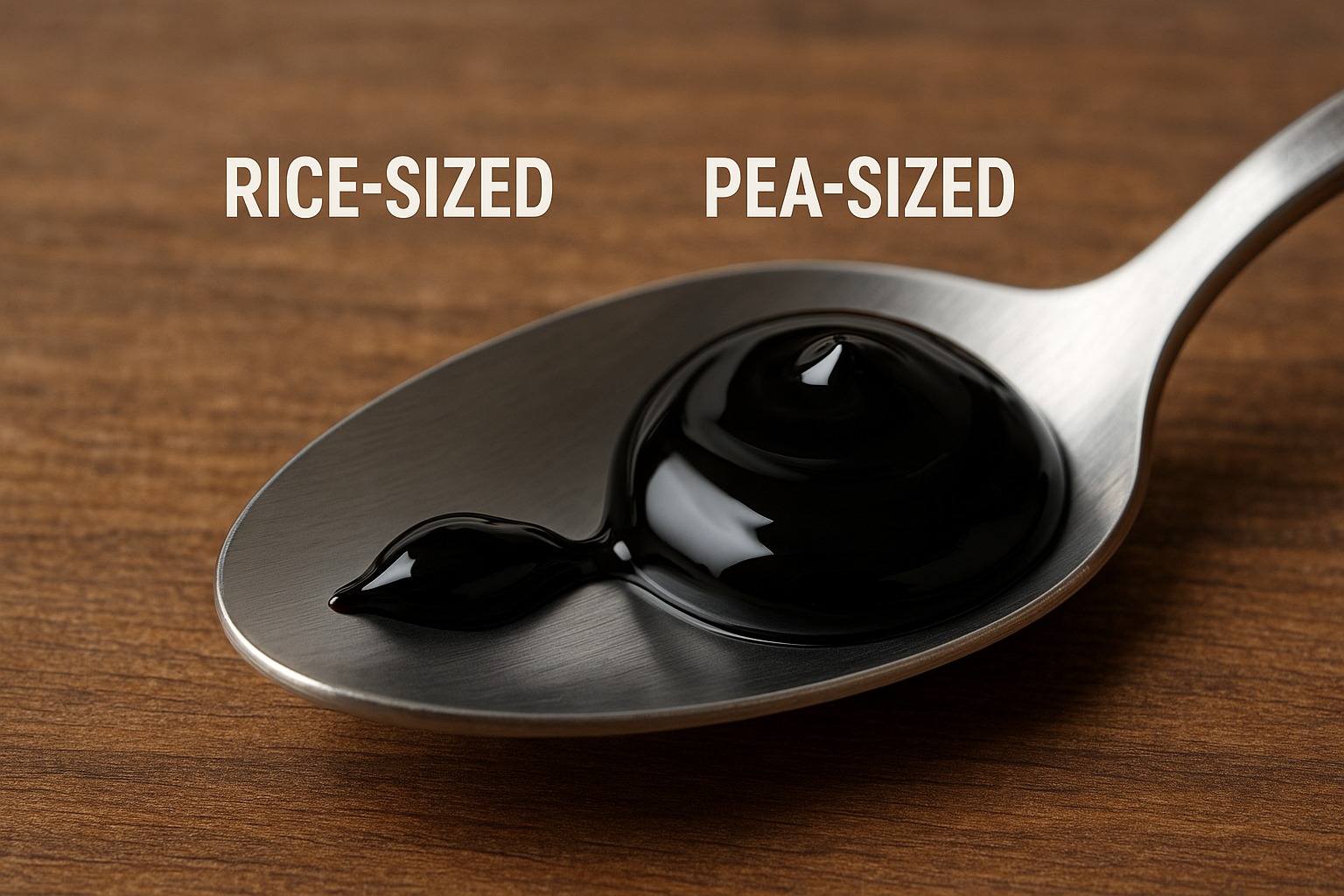
Why are there so many Shilajit spellings?
When words move between languages, they pick up new spellings. “Shilajit” is originally written in scripts such as Devanagari, and people have translated the sounds into English letters in different ways over time.
| Spelling | Likely origin | Notes |
|---|---|---|
| Shilajit | Standard modern English spelling. | Most commonly used in research summaries, labels, and articles. |
| Silajit | Phonetic variation. | Often appears in informal writing or typos where “h” is dropped. |
| Shelajit / Selajit | Regional sound shift. | Reflects how the word is pronounced in some languages and accents. |
| Salajeet / Salajit | Regional Urdu / South Asian usage. | Common in Pakistan and some parts of North India. |
Silajit vs. Shilajit: is there any real difference?
In most cases, “Silajit” is simply another way of writing “Shilajit.” Brands or websites may use one spelling or the other based on how they learned the word or which markets they serve.
- Same concept: Both usually refer to the same traditional mineral-rich resin.
- Check context: Look at product descriptions, ingredients, and visuals to confirm it’s actually Shilajit resin or extract.
- Beware copycats: Some pages use misspellings just to capture search traffic without offering real Shilajit—always check the label and lab tests.
Regional spellings & languages
Because Shilajit appears in several cultural and language contexts, spelling varies even more when you step outside English.
- South Asia: “Shilajit,” “Salajeet,” “Salajit,” and similar variants.
- Spanish content: “Shilajit” is generally kept, as in “Qué es el Shilajit”.
- Marketing mixes: Some ads combine multiple spellings to reach different audiences.
This is one reason you’ll see multiple spellings on the same platform. When in doubt, focus on the substance being described, not just how the name is spelled.
¿Qué es el Shilajit? (Spanish)Spelling vs brand trust: what really matters
A polished spelling is nice, but it’s not your main safety signal. Plenty of high-quality brands focus on education instead of spelling perfection—and some perfectly spelled labels still skip basic testing.
- Prioritize: COA, origin, clear ingredients, and sensible usage guidance.
- De-prioritize: Fancy fonts, trendy buzzwords, and spelling alone.
- Gut check: Does the brand answer real questions, or only repeat hype?
Authoritative Sources & Research Context
Choosing a quality Shilajit brand requires understanding what makes authentic, pure Shilajit. Scientific research provides markers for evaluating product quality.
Authoritative Sources
-
National Library of Medicine (NLM) – PubMed – A Comprehensive Review on Shilajit: What We Know about Its Chemical Composition.
PubMed – Shilajit Composition -
PubMed Central (PMC) – Evaluation of safety profile of black shilajit after 91 days.
PMC – Shilajit Safety -
ACS Omega – Chemical Analysis of Native Himalayan Shilajit.
ACS Omega – Shilajit Chemistry -
Journal of Population Therapeutics & Clinical Pharmacology – Systematic Review: Clinical Efficacy and Safety.
JPTCP – Shilajit Review -
Examine.com – Shilajit Evidence-Based Review.
Examine.com – Shilajit
This section is for general informational purposes only and is not a substitute for professional medical advice.
FAQs
Is “Silajit” fake Shilajit?
Which spelling should I trust: Shilajit, Silajit, or Salajeet?
Why do some companies use multiple spellings at once?
Continue Learning About Shilajit
Next steps
If spelling variations confused you before, you can relax: most of them point to the same traditional resin. From here, lean on origin, COA, and realistic education to guide your choices.
Shop Pure Himalayan ShilajitThese statements have not been evaluated by the FDA. Not intended to diagnose, treat, cure, or prevent any disease. Consult a healthcare professional before use.